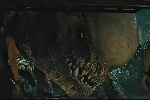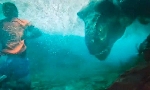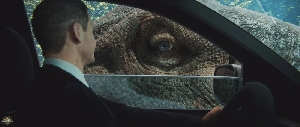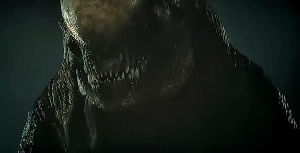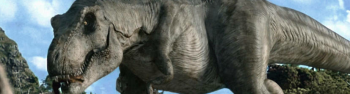

The Jurassic Park / Jurassic World universe is a science fiction franchise centered around the resurrection of extinct species through genetic engineering. Built on the foundation of advanced biotechnology, the series explores the consequences of bringing prehistoric life into the modern world and the ethical boundaries of scientific ambition.
What begins as a controlled experiment in cloning quickly evolves into a global crisis, as humanity struggles to contain and coexist with creatures that once ruled the Earth millions of years ago.
The Science of De-Extinction
At the core of the Jurassic universe is the concept of de-extinction, the process of bringing extinct species back to life using preserved DNA. Scientists extract genetic material from prehistoric mosquitoes trapped in amber, reconstruct incomplete genomes and fill gaps using DNA from modern animals.
This process results in living, breathing dinosaurs that closely resemble their ancient counterparts, though they are not exact replicas. The use of hybridized DNA introduces subtle differences, making each recreated species a blend of ancient and modern biology.
While initially presented as a groundbreaking achievement, this scientific breakthrough raises immediate concerns about control, unpredictability and long-term consequences.
InGen and Corporate Control
The driving force behind dinosaur resurrection is International Genetic Technologies, Inc. (InGen), a biotechnology corporation founded by John Hammond. InGen’s goal is to commercialize genetic engineering through the creation of a theme park populated by living dinosaurs.
Despite its revolutionary achievements, the company consistently underestimates the risks associated with controlling complex, living organisms. Cost-cutting measures, corporate pressure and overconfidence lead to critical system failures that allow the animals to escape containment.
As the franchise progresses, corporate interests shift from entertainment to military and commercial applications, further complicating the ethical landscape.
Jurassic Park – The Original Failure
The events of Jurassic Park (1993) mark the first major collapse of InGen’s vision. Located on Isla Nublar, the park is intended to showcase dinosaurs in a controlled environment. However, a combination of human error, system vulnerabilities and the unpredictable nature of the animals results in a catastrophic breakdown.

Dinosaurs escape their enclosures, and the illusion of control is shattered. This incident establishes a central theme of the franchise: life cannot be fully contained or controlled.
Isla Sorna and Site B
Beyond Isla Nublar lies Isla Sorna, also known as Site B — the location where dinosaurs were originally bred before being transported to the park. Unlike the controlled environment of Jurassic Park, Isla Sorna becomes a wild ecosystem where dinosaurs roam freely.

Over time, the island evolves into a natural habitat, demonstrating how quickly life can adapt and thrive when left unchecked. Expeditions to Site B reveal that the consequences of genetic engineering extend far beyond the boundaries of a single park.
The Rise of Jurassic World
Years after the failure of Jurassic Park, a new park — Jurassic World — is successfully opened on Isla Nublar. With improved technology and stricter systems in place, the park initially operates as intended, attracting global audiences.

However, in an effort to maintain public interest, scientists begin creating genetically modified hybrid species, including the Indominus Rex. This decision introduces a new level of unpredictability, as these engineered creatures possess traits that make them more intelligent, more aggressive and far more difficult to control.
The resulting outbreak once again demonstrates that scientific advancement without restraint leads to unintended consequences.
A World Changed Forever
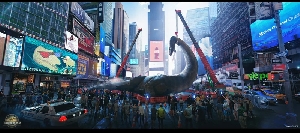
By the events of Jurassic World: Fallen Kingdom and Dominion, dinosaurs are no longer confined to isolated islands. They have spread across the globe, forcing humanity to confront a new reality where prehistoric life exists alongside modern civilization.
This shift transforms the franchise from a contained survival story into a broader exploration of coexistence, environmental impact and the limits of human authority over nature.
The Ethics of Genetic Power
Throughout the Jurassic universe, the central conflict is not between humans and dinosaurs, but between ambition and responsibility. The ability to recreate life is treated as both a miracle and a warning, highlighting the dangers of advancing technology without fully understanding its implications.

The repeated failures of containment serve as a reminder that nature cannot be engineered into submission, and that every attempt to do so carries consequences that extend far beyond initial expectations.
Jurassic World Rebirth and the Next Evolution
The release of Jurassic World Rebirth marks a new chapter in the evolution of the Jurassic franchise, expanding the scope of the universe beyond the events of Dominion. With dinosaurs now fully integrated into Earth's ecosystems, the focus shifts from containment to adaptation, exploring how both humanity and prehistoric life adjust to a shared world.
Unlike earlier installments that centered on isolated parks or controlled environments, Rebirth emphasizes a planet permanently changed by genetic engineering. Governments, corporations and independent groups are forced to navigate a reality where dinosaurs exist across multiple continents, creating new ecological, political and economic challenges.

The film also introduces new perspectives on genetic technology, suggesting that the science behind de-extinction continues to evolve. Rather than simply recreating extinct species, humanity is now faced with decisions about how — or whether — to further manipulate these lifeforms in a world where control is no longer absolute.
This shift reinforces one of the franchise’s core themes: that the consequences of scientific breakthroughs cannot be contained once they are unleashed. As new threats and opportunities emerge, Jurassic World Rebirth positions the series for a future where coexistence, rather than control, becomes the central conflict.
By expanding the narrative beyond the original vision of Jurassic Park, the film redefines the franchise as a global ecosystem story — one in which the return of prehistoric life is not an isolated incident, but a permanent transformation of the modern world.
A Living Ecosystem of the Past
Ultimately, the Jurassic Park / World universe presents a world where the past has been brought into the present — not as a controlled exhibit, but as a living, evolving system. Dinosaurs are no longer relics of history, but active participants in a changing world.
As the franchise continues to evolve, it raises an enduring question: once life finds a way, can it ever truly be contained again?
Published 5d ago • Last Updated: 5d ago